Creative and Technical Process
From user flow to "ready for dev"
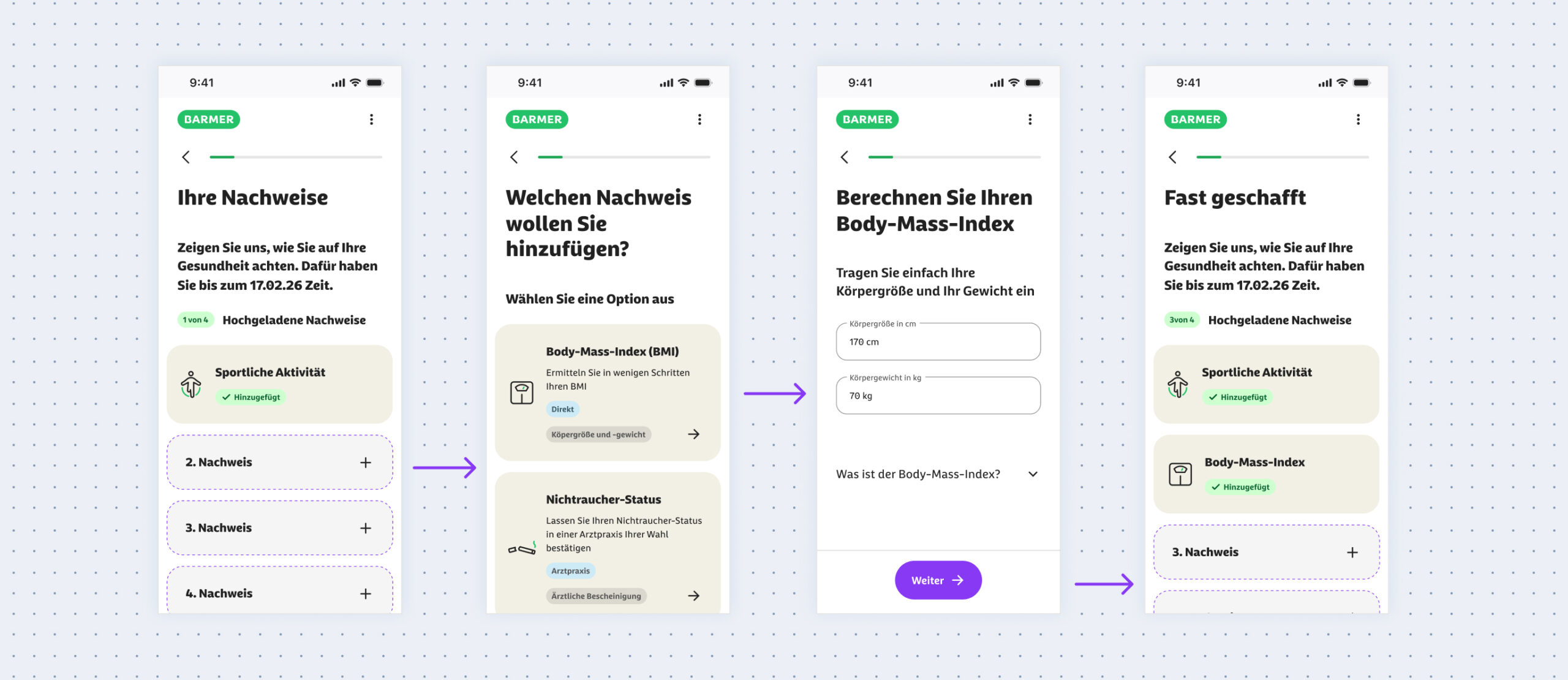
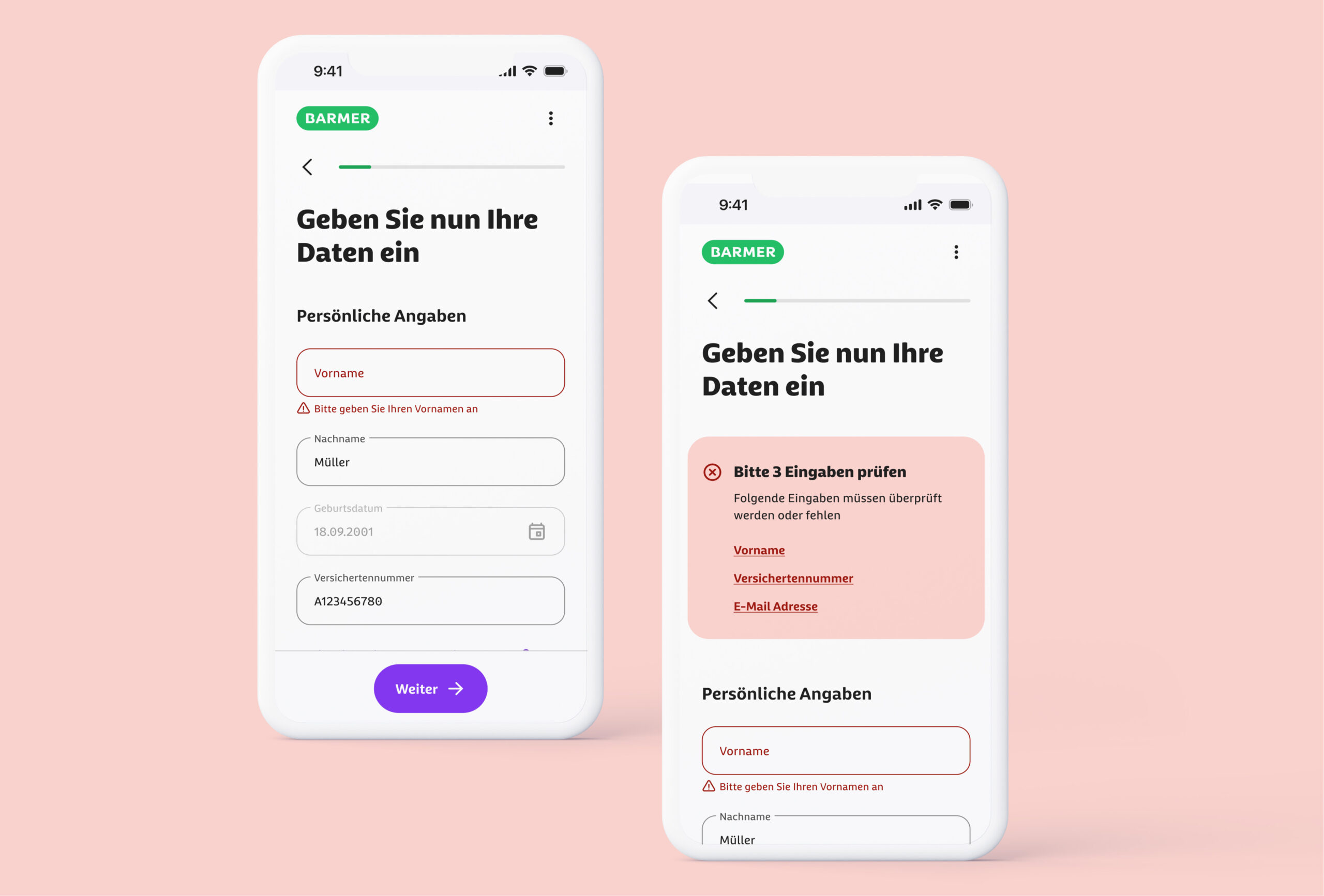
A key focus at the outset was developing front- and back-end user flows – to serve as both visual foundation for the wireframes and to highlight internal complexities. This meant involving the data protection and IT teams early on. And so, with the help of the user flow it was possible to achieve at a very early stage the product’s goals: increased user-friendliness, fast processing of the route, and enjoyment when filling out the application, as well as to also identify logical and technical bottlenecks.
While IT architects and back-end developers from AOE solutions created the basis for the technical implementation, designers at ENNOstudio created the wireframes.
Speed and flexibility characterized this phase and within a week we had tested the first prototype and evaluated the results. We then fed them back directly to the product owner and UX writing team.
Redesign
Redesign under full load
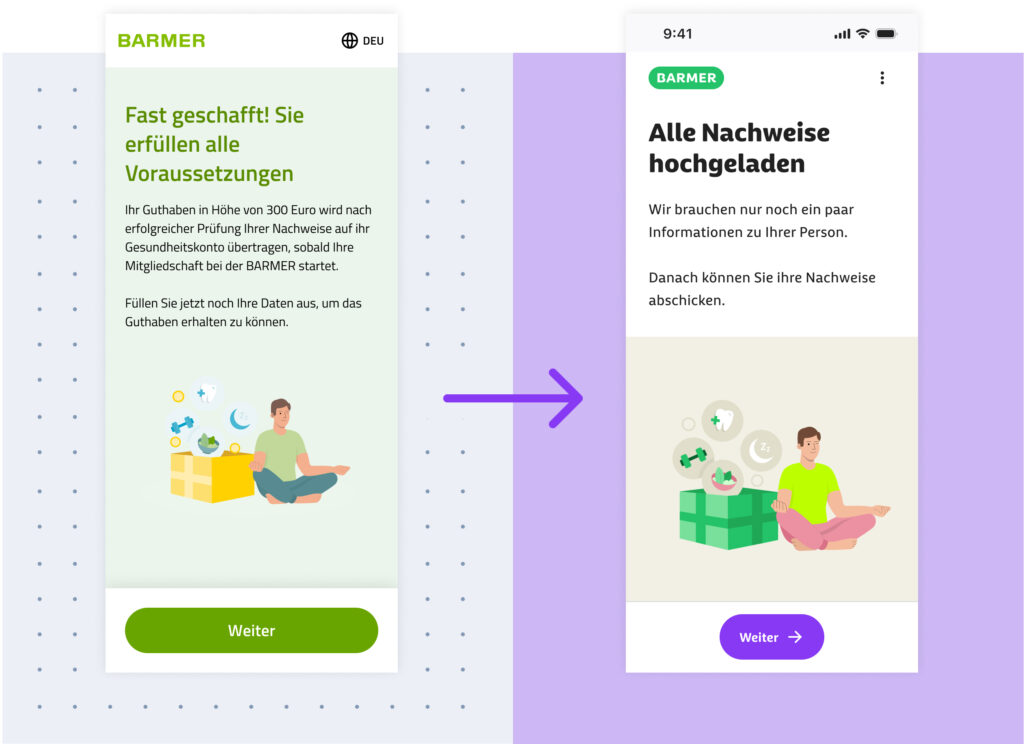
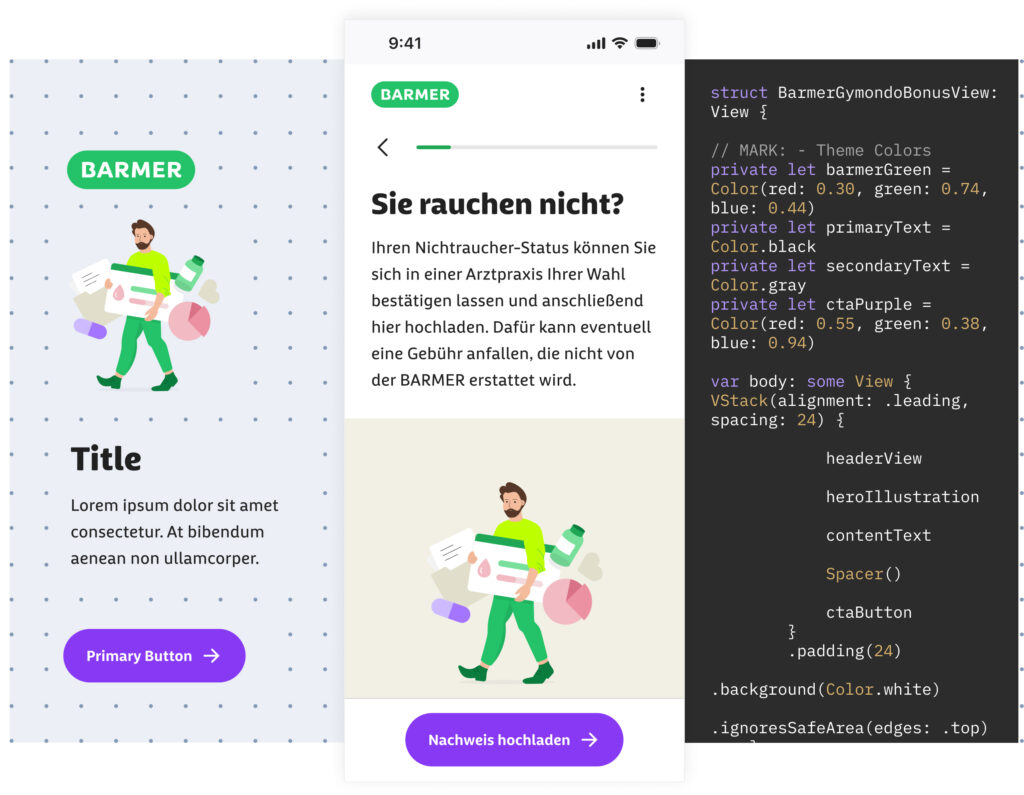
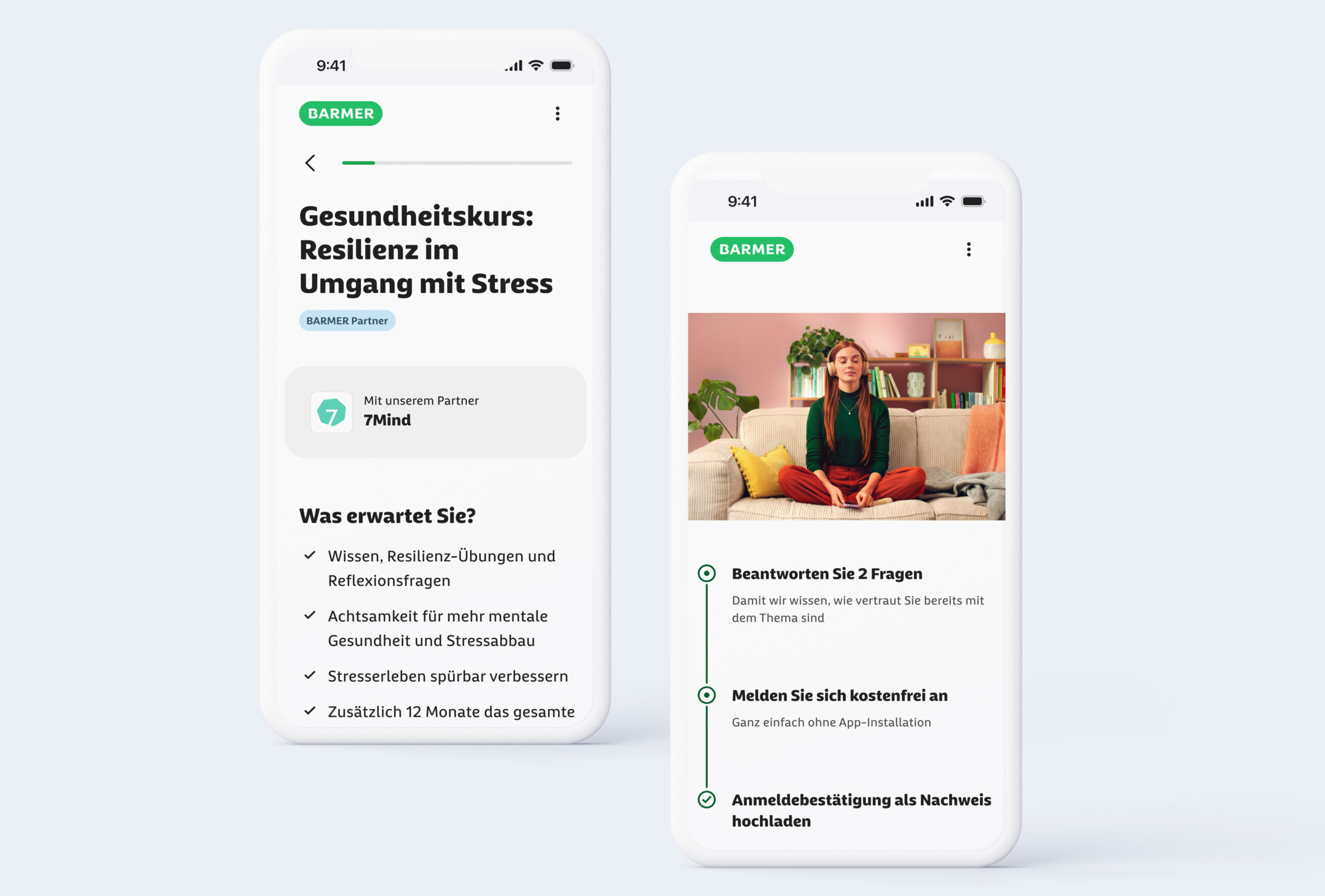
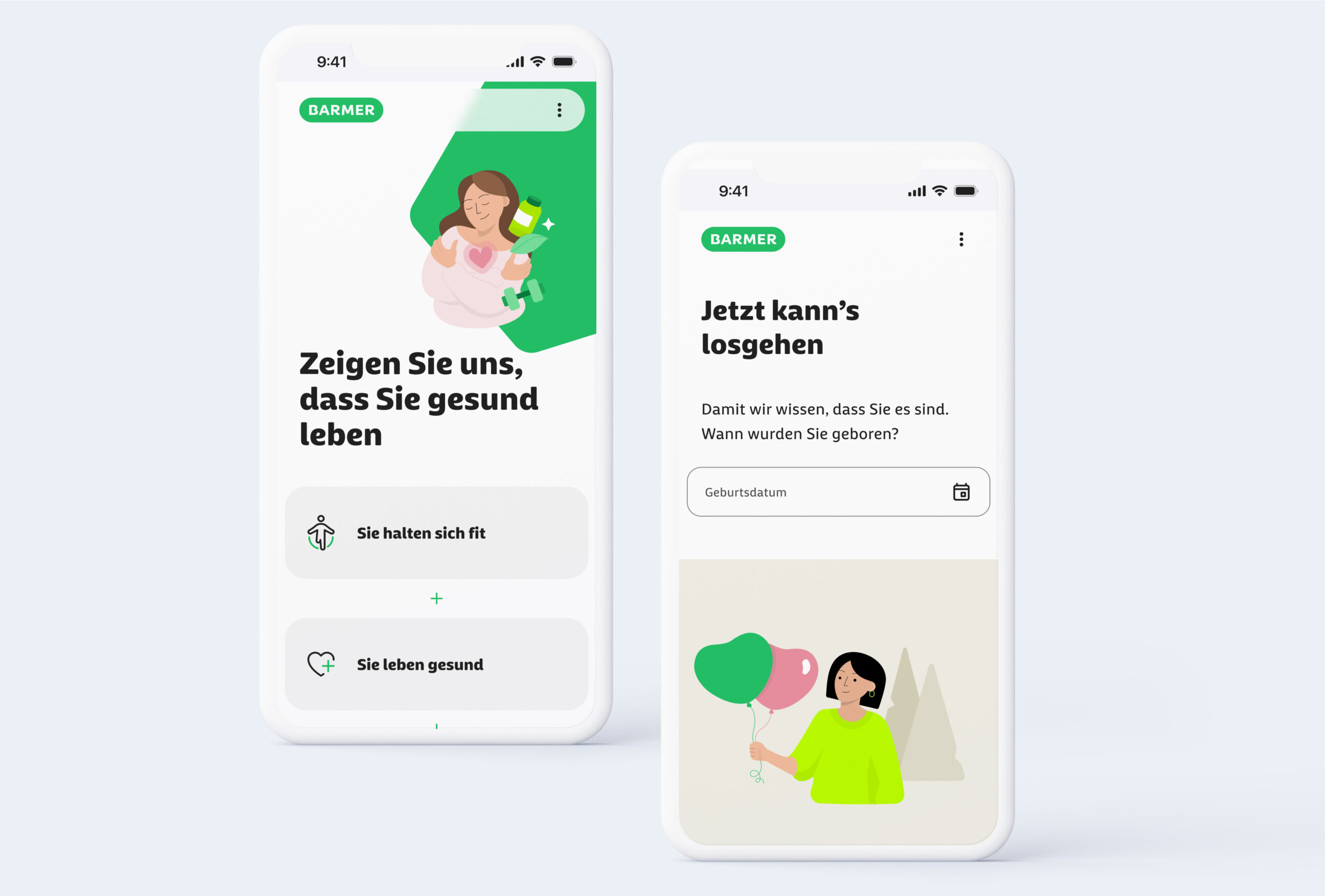
The BARMER-wide rebranding initiative was launched in the middle of the project, with its rollout scheduled for December 2025. The Erfolgsbonus was, thus, among the first applications to be migrated to the new design. This meant rethinking and adapting. Old components were replaced with new ones, and new visual solutions were integrated where a direct 1:1 migration wasn’t possible – all done in close collaboration with the BARMER design system team.
It needed additional iterations, but we succeeded in seamlessly integrating the redesign, while at the same time the user experience was constantly refined without derailing the tight schedule.
Technical Implementation
Many stakeholders, one goal
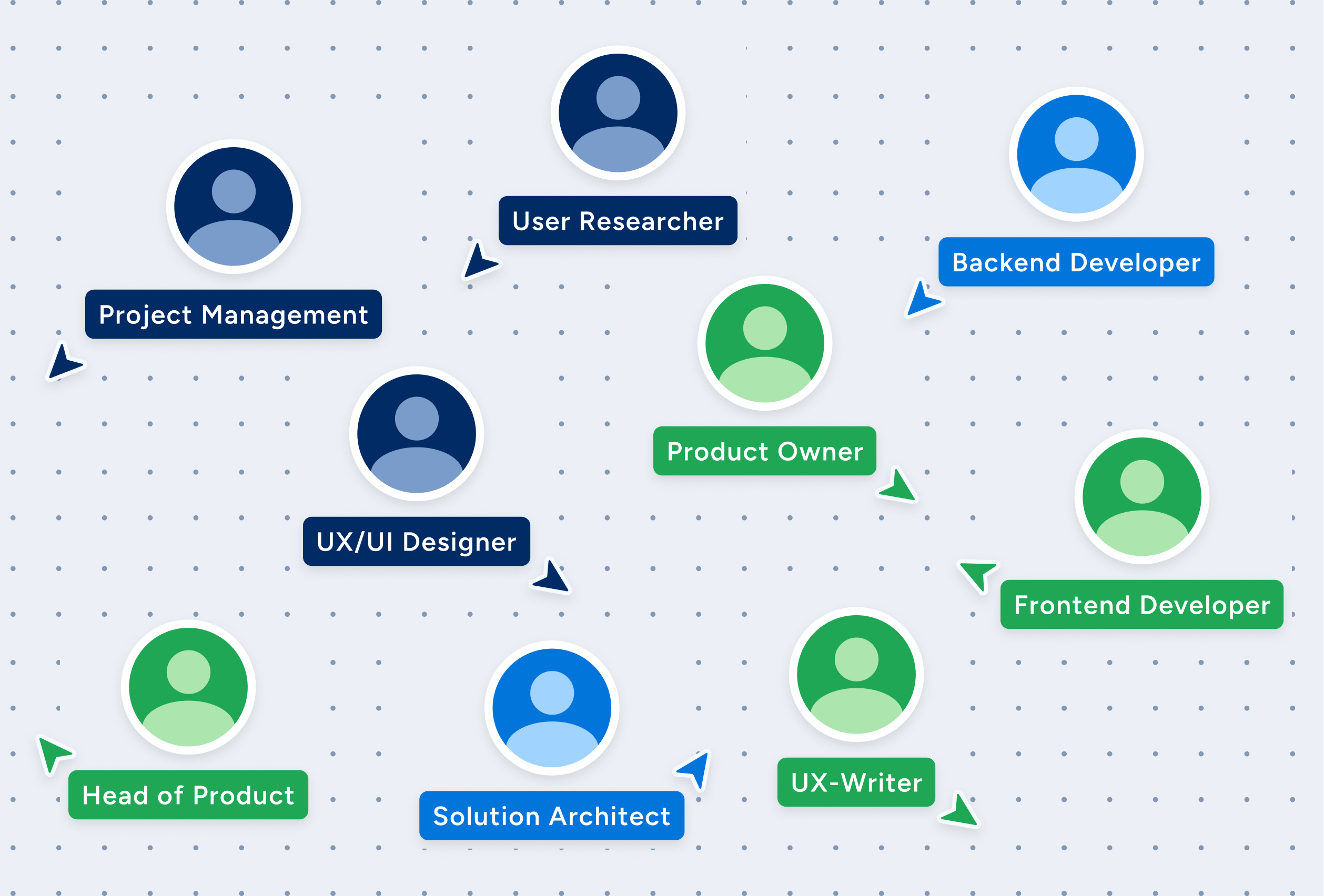
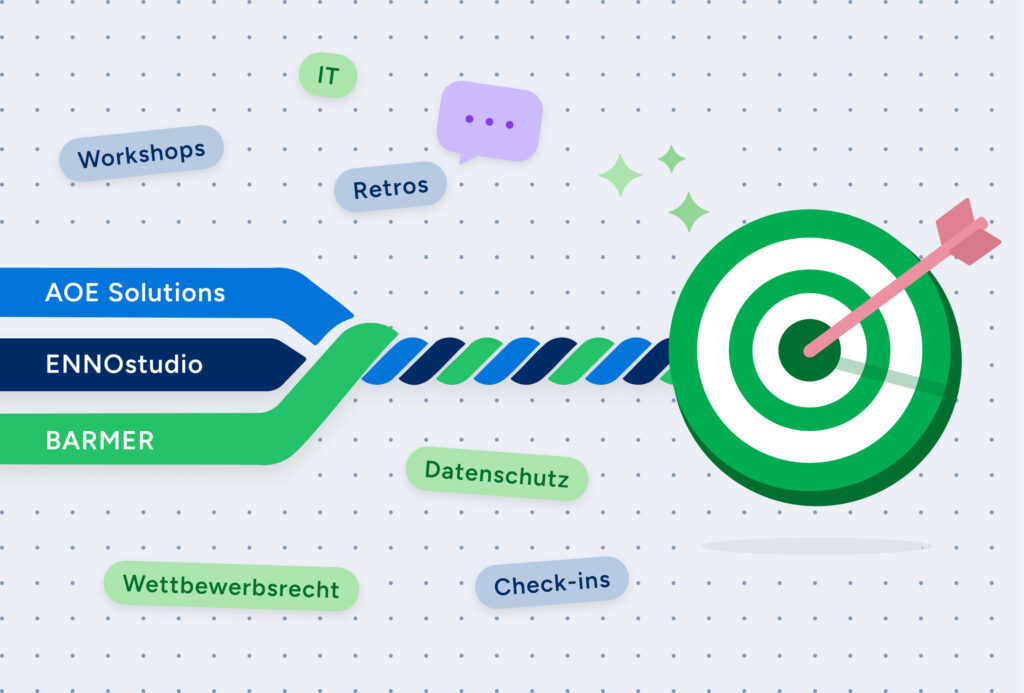
The implementation required close, cross-agency collaboration between ENNO, AOE solutions, BARMER, and various service providers on the BARMER side who supported the different processes. Workshops helped clarify interfaces and align processes – from the application review process to the mailing campaign. Weekly check-ins served to keep all entities up to date.
Internal coordination on the BARMER side was particularly challenging with regard to IT, data protection, and competition law, as decisions in these areas take more time. It was important, therefore, to involve these stakeholders early on, and on an ongoing basis.